Emission Reduction Strategies Series, Part 1: Energy Efficiency & Facility Upgrades That Advance Sustainability
Author: Elsie Andreyev
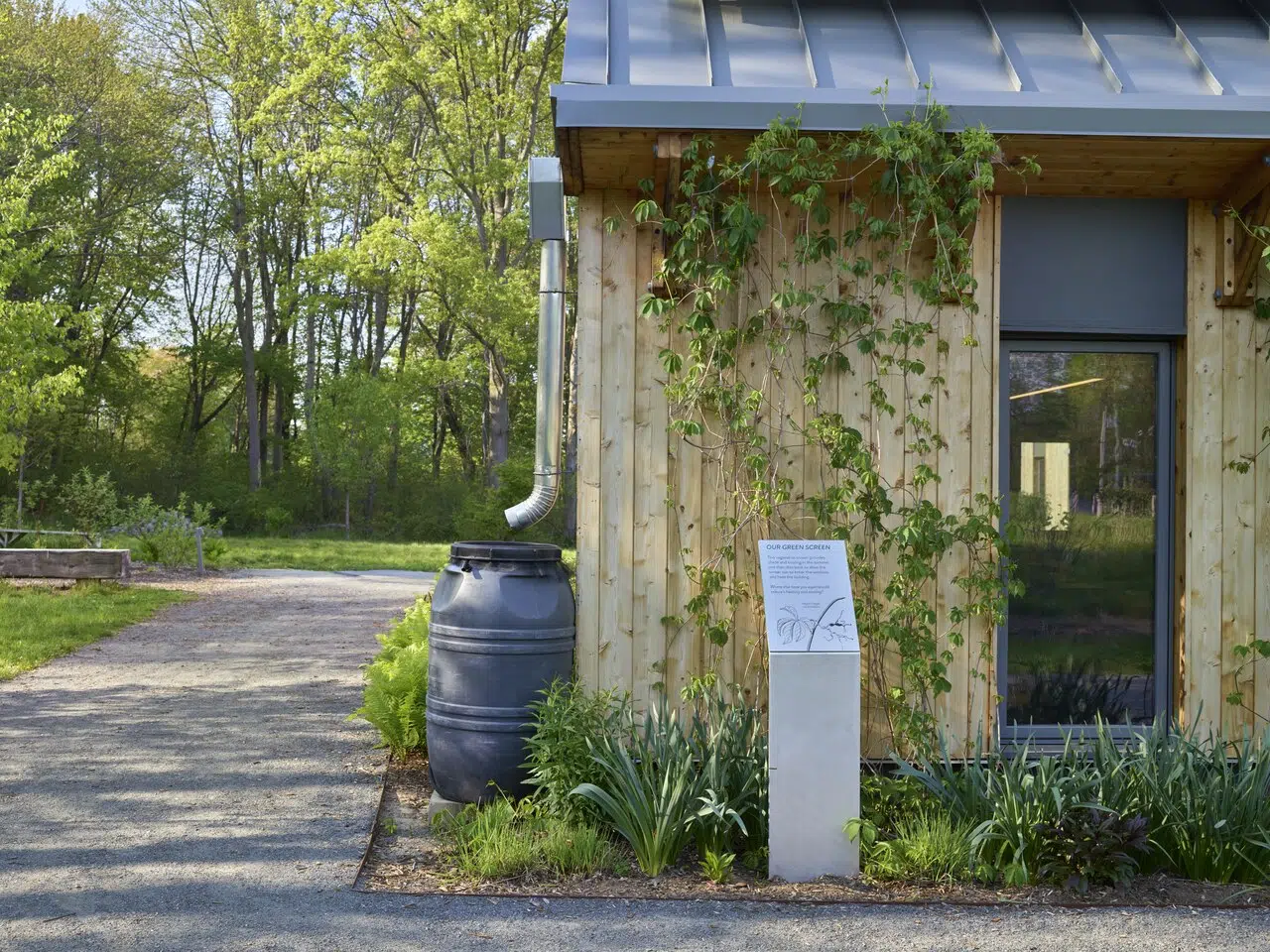
Beyond simply meeting climate targets, reducing GHGs drives significant environmental and operational benefits across an organization. By rethinking how energy is used, how people and goods move, and how resources are managed, organizations can create systemic improvements that strengthen resilience, efficiency, and long-term sustainability.
Energy Efficiency & Facility Upgrades
Energy efficiency improvements in buildings reduce emissions and operating costs by lowering demand for electricity, heating, and cooling. These strategies also reduce peak energy demand and support resilience during outages and extreme temperatures.
Electrification and fuel switching reduce on-site combustion while supporting long-term decarbonization. These solutions can also improve indoor air quality and reduce health risks from combustion byproducts.
Together, these upgrades not only reduce emissions but also enhance overall energy system reliability and reduce operational risks.
Examples:
- LED lighting upgrades
- Smart appliance control
- Building envelope improvements
- Electrification (heat pumps, water heaters)
- Reflective roofing
- Building-integrated photovoltaics and battery storage
Stay tuned for the rest of the series, where we’ll cover:
- Commuting, Fleet, and Operations
- Purchasing and Supply Chains
- Materials and Waste
- Water-Energy Optimization
Join the Carbon Footprint Registry community for access to emission reduction strategy case studies, policy updates, and more.