Black History Month Spotlight: Leaders Shaping Climate Policy, Emission Reductions, and Equity
By: Anna Benjamin
This Black History Month, we’re highlighting Black environmental leaders whose work has shaped climate science, advanced greenhouse gas reduction efforts, and strengthened the environmental justice movement. Their scholarship, advocacy, and leadership continue to influence how we understand and address climate change today.
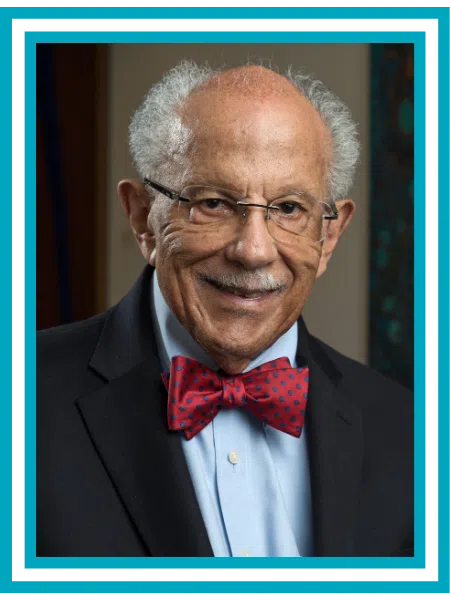
Dr. Warren Washington (August 28, 1936 – October 18, 2024)
Dr. Warren Washington was an atmospheric scientist whose contributions helped shape our modern understanding of climate change. He specialized in computer-based climate modeling, using the fundamental laws of physics to predict how the atmosphere changes over time. His contributions remain foundational to climate science today.
He spent most of his career at the NSF National Center for Atmospheric Research (NCAR), serving as a senior scientist and head of the Climate and Global Dynamics Division. Over more than 50 years, Dr. Washington published nearly 200 papers and advised multiple presidents, influencing climate policy at the highest levels of government. In recognition of his impact, Dr. Washington received the National Medal of Science, the U.S.’s highest science award, and the international environmental Tyler Prize, often referred to as the “Nobel Prize for the Environment.”
Additionally, as the second Black scientist to earn a doctorate in atmospheric sciences, he was a strong advocate for diversity in STEM, inspiring future generations to pursue careers in climate science.
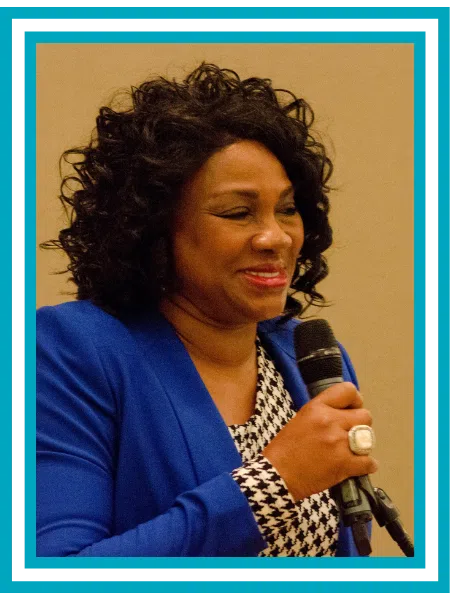
Dr. Beverly L. Wright (1947)
Dr. Beverly L. Wright is a pioneering environmental justice scholar and advocate addressing the disproportionate environmental burdens faced by Black and low-income communities. Inspired by conditions in Louisiana’s “Cancer Valley,” a corridor with more than 150 petrochemical plants and refineries, she founded the Deep South Center for Environmental Justice (DSCEJ), the first environmental justice center in the U.S. For over three decades, DSCEJ has provided education, training and workforce development for impacted communities.
Wright’s research emphasizes the importance of community leadership in environmental decision-making. She developed the “communiversity model,” fostering collaboration between local communities and universities, and created one of the first environmental justice maps, highlighting the disproportionate placement of polluting industries in Black communities. She also developed an environmental justice curriculum used in New Orleans Public Schools.
In addition to her advocacy, Wright has coauthored Race, Place & the Environment After Hurricane Katrina and The Wrong Complexion for Protection: How The Government Response Endangers African-American Communities. Her contributions have been recognized with honors, including the Robert Wood Johnson Community Health Leadership Award, the EPA Environmental Justice Achievement Award, and the Heinz Award.
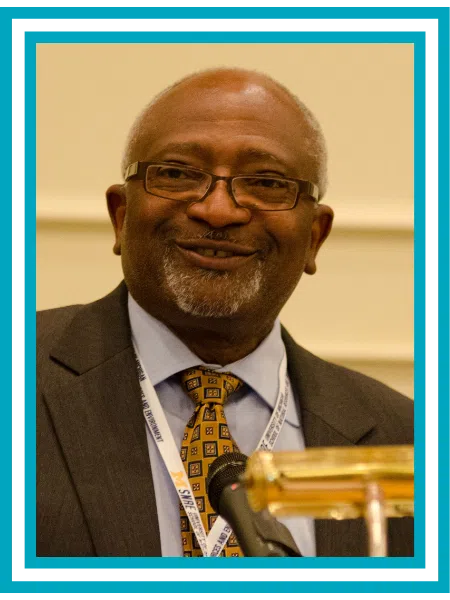
Dr. Robert D. Bullard (December 21, 1946)
Often referred to as the “father of environmental justice,” Dr. Robert D. Bullard is known for his groundbreaking research exposing how toxic waste sites and emissions-intensive facilities are disproportionately located in communities of color. His work has influenced climate policy and shaped how environmental harms are understood and addressed today.
Bullard’s advocacy grew from an ethnographic study he conducted across the South that found waste facilities were overwhelmingly located in Black neighborhoods, demonstrating that environmental issues are rooted in systemic racism. His scholarship frames climate change as a social justice issue, since those who contribute the least often face the most severe impacts.
Over a career spanning more than 40 years, Bullard has authored or coauthored 18 books on environmental justice. He has been recognized with numerous awards, including the United Nations Environment Programme (UNEP) “Champions of the Earth” Award, the Heinz Award, and the Sierra Club’s John Muir Award. He currently serves as a Distinguished Professor of Urban Planning and Environmental Policy at Texas Southern University and as the founding director of the Bullard Center for Environmental and Climate Justice, inspiring younger generations to continue to advocate for change.
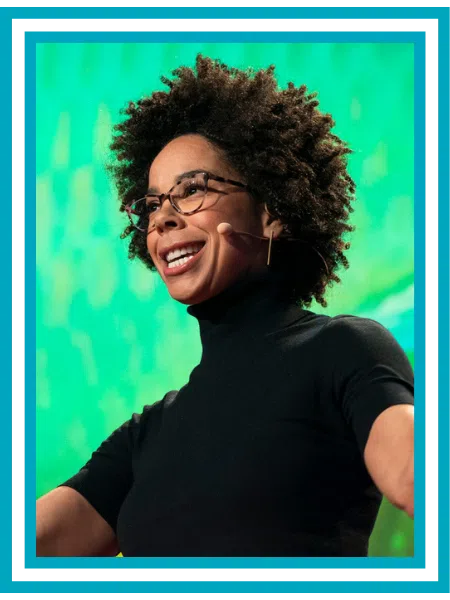
Dr. Ayana Elizabeth Johnson (August 23, 1980)
Dr. Ayana Elizabeth Johnson is a marine biologist, climate policy expert, writer, and environmental justice advocate best known for her ocean conservation efforts and focus on climate solutions. She co-founded the non-profit think tank Urban Ocean Lab, focused on developing solutions to make coastal cities more climate resilient.
Johnson is a prominent climate communicator who emphasizes innovative and hopeful approaches to sustainability. She is the author of What If We Get It Right? Visions of Climate Futures, co-editor of All We Can Save, an anthology of essays, poetry and art by women leading on climate change, and co-creator and co-host of How to Save a Planet, a podcast centered on climate solutions.
She has also worked with the Environmental Protection Agency (EPA), the National Oceanic and Atmospheric Administration (NOAA), and the Waitt Foundation, where she co-founded the Blue Halo Initiative to support ocean conservation. She currently serves on the boards of Patagonia and GreenWave and advises the Environmental Voter Project. Her contributions have recently been recognized with the Schneider Award for climate communication and inclusion on Time’s 2021 100 Next List.
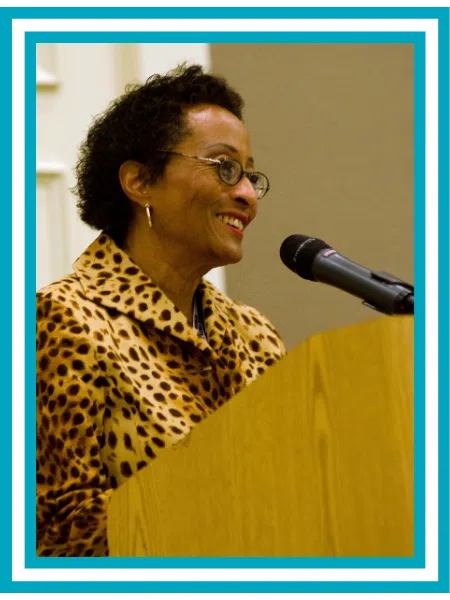
Peggy Shepard (September 16, 1946)
Peggy Shepard is an advocate for environmental justice in urban communities, promoting equal access to a clean and healthy environment. Over a career spanning more than 40 years, she has been a leader in grassroots organizing, environmental advocacy, and environmental health research.
She is the co-founder and executive director of the organization WE ACT for Environmental Justice, one of the first environmental justice organizations in New York City and the first founded by people of color in the state. Since 1988, WE ACT has influenced environmental and public health policy, initially addressing poor air quality in Black communities and later expanding to broader climate justice efforts. This organization has led successful campaigns influencing New York City’s transition from diesel buses to cleaner options and legislation banning gas in new buildings.
Beyond WE ACT, Shepard has held leadership roles at the city and federal levels, including with the White House Environmental Justice Advisory Council and the U.S. Environmental Protection Agency. Her work has been recognized with honors, including the Jane Jacobs Medal for Lifetime Achievement and the Heinz Award.
Photo: Warren Washington / Oregon State University (Flickr) – CC BY‑SA 2.0
Photo: Beverly Wright / University of Michigan School for Environment and Sustainability – CC BY 2.0
Photo: Robert Bullard / University of Michigan School for Environment and Sustainability – CC BY 2.0
Photo: TED2019_20190416_2RL7715_1920 / TED Conference – CC BY‑NC‑ND 2.0
Photo: Dave Brenner / University of Michigan School for Environment and Sustainability – CC BY 2.0