Emission Reduction Strategies Series, Part 2: Community, Fleet, & Operations – Cutting Carbon and Driving Operational Returns
Author: Elsie Andreyev
Beyond simply meeting climate targets, reducing GHGs drives significant environmental and operational benefits across an organization. By rethinking how energy is used, how people and goods move, and how resources are managed, organizations can create systemic improvements that strengthen resilience, efficiency, and long-term sustainability.
Commuting, Fleet, and Operations
Reducing employee travel and rethinking commuting policies can cut transportation-related emissions and lead to cost savings while enhancing employee well-being. Extending solutions to how vehicles and goods move across operations can further reduce emissions, increase safety, lower stress for drivers, and improve logistics and scheduling efficiency.
Operational performance improvements in mobile equipment and logistics systems can reduce fuel consumption, minimize wear and tear, and streamline operations.
Together, these approaches foster safer, more efficient movement across the organization, minimizing emissions and improving workforce well-being.
Examples:
- Teleworking and travel reduction
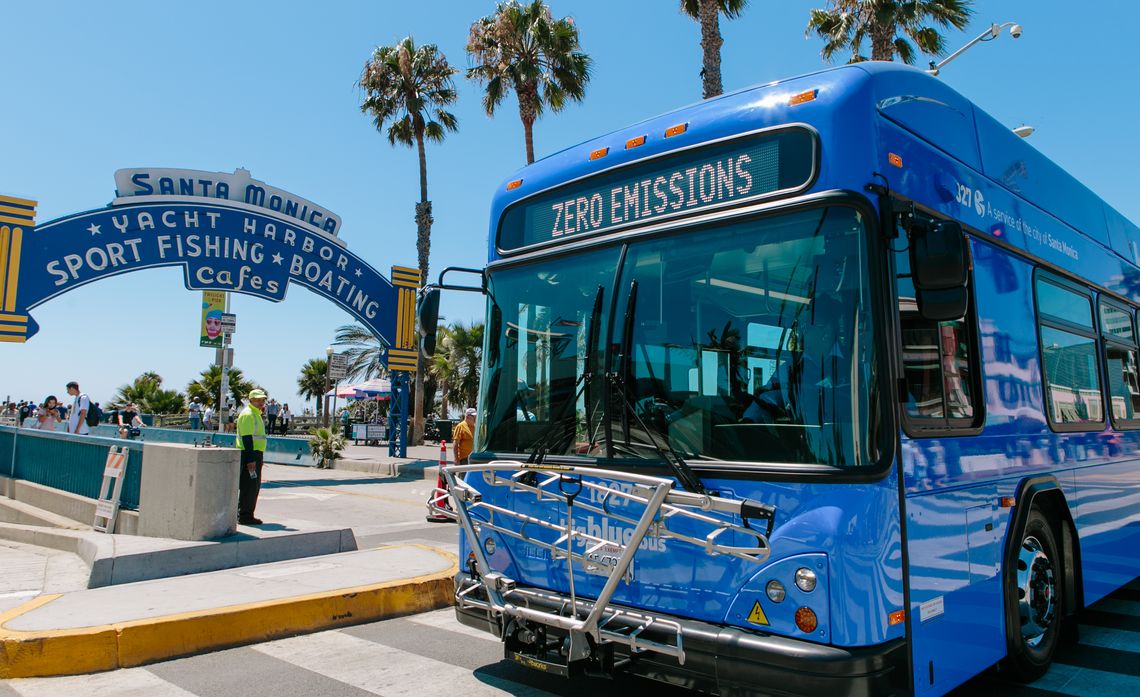
- Fleet electrification
- Route optimization
- Driver training
- Predictive maintenance
- Warehouse Management Systems (WMS)
Stay tuned for the rest of the series, where we’ll cover:
- Commuting, Fleet, and Operations
- Purchasing and Supply Chains
- Materials and Waste
- Water-Energy Optimization
Join the Carbon Footprint Registry community for access to emission reduction strategy case studies, policy updates, and more.